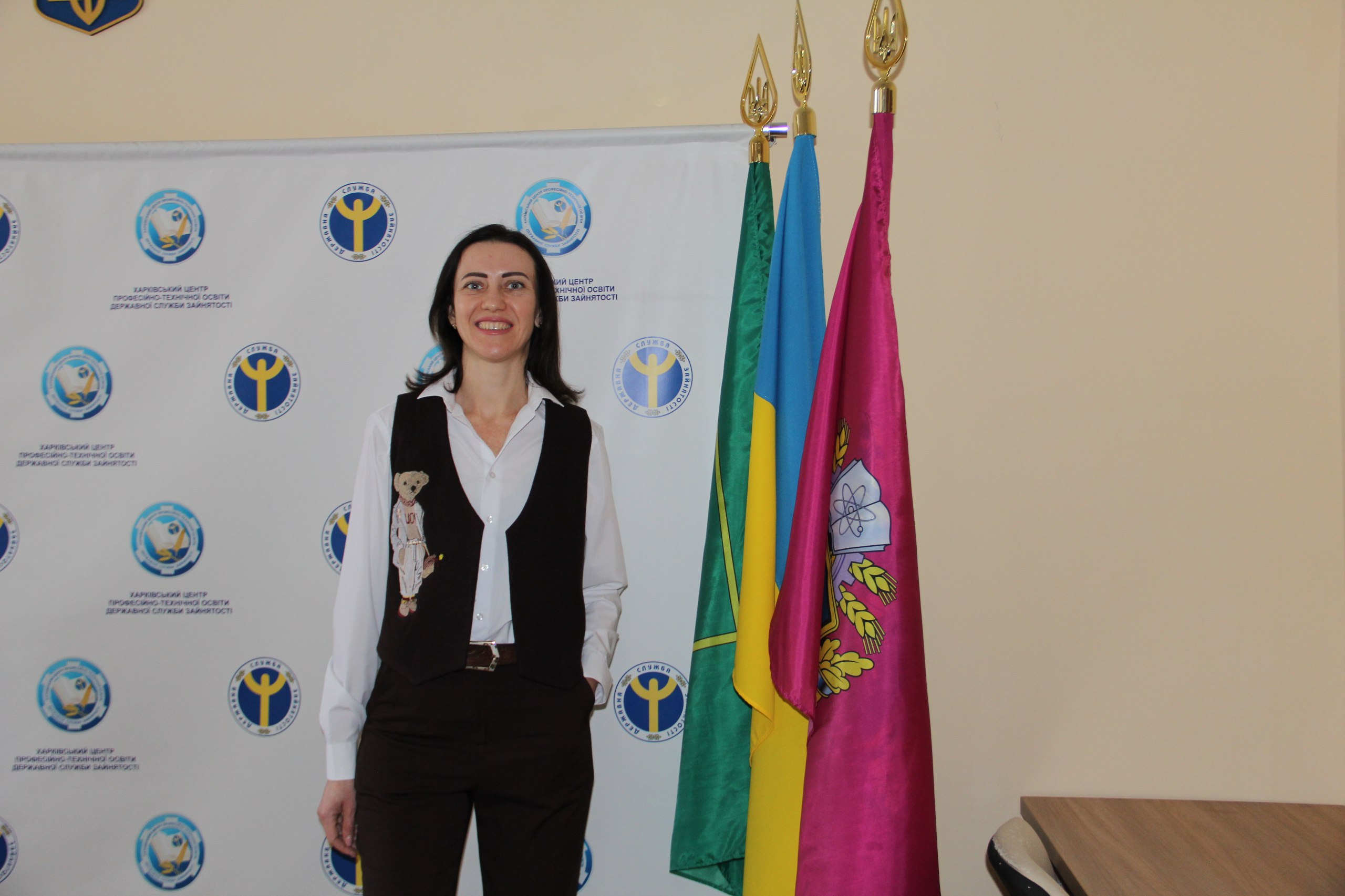
When Yuliya returned to Kharkiv after being forced to leave the city, she didn't come back with a business plan. She came back wanting to help people find their way back to culture. Three years later, that instinct has grown into a network of media channels and a studio that stitches Ukrainian identity into everyday clothing.
Morozova Yulia is a Ukrainian entrepreneur, the founder of the "Kulturnyi" network of cultural Telegram channels, and of SENS LAB, a branding and embroidery studio. Her path into culture wasn't planned as a career — it began as an act of repair.
In 2023, after returning to her native Kharkiv from forced displacement, she launched a volunteer information project called "Kharkiv Kulturnyi," intended simply to help residents rediscover the cultural life of their city. What started as a single local channel gradually grew into a network of cultural media outlets covering art events, supporting local communities, and promoting Ukrainian culture across several cities.
"Culture became a way to help people stay connected to their city, even when everything else felt uncertain."
Today, the "Kulturnyi" network reports daily on theatre premieres, concerts, exhibitions, festivals, creative spaces, local initiatives, and the people shaping contemporary Ukrainian culture. For Yuliya, it has always been more than an events calendar. During wartime, she says, culture became a way to help people stay connected to their city, find new opportunities, and remain part of a community — which is why the channels carry a social function that goes well beyond entertainment listings, keeping cultural life visible even in cities facing constant challenges.
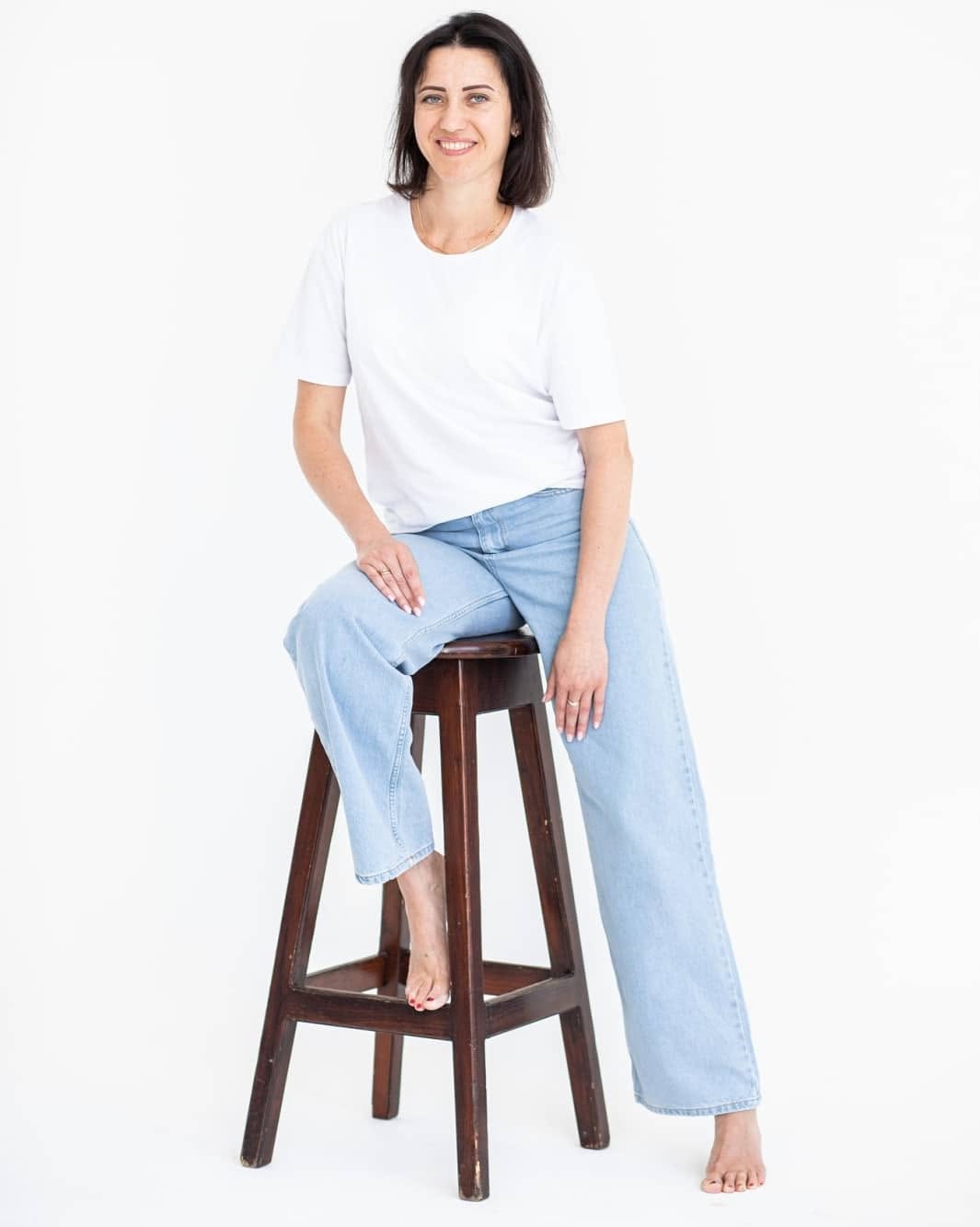
In 2026, Yuliya opened a second, complementary venture: SENS LAB, a studio specializing in machine embroidery, clothing branding, and DTF printing. The studio works with both businesses and creative projects, producing corporate merchandise, branded apparel, and souvenir items that incorporate contemporary Ukrainian embroidery.
For her, SENS LAB is a natural extension of the media project. Where the Telegram network helped people discover culture through information, the studio lets her create physical products that carry Ukrainian identity, support local manufacturers, and help companies and organizations express their values through design.
Looking ahead, Yuliya wants to grow both directions in parallel — building a cultural ecosystem in which media supports cultural events and initiatives, while creative production helps those same initiatives gain visibility through quality Ukrainian-made products.
What she hopes readers take from her story is less about the mechanics of running two ventures and more about what they represent together: a volunteer initiative, born out of wartime displacement, that grew into a sustainable, socially engaged business without losing its original mission. For Yuliya, culture isn't only about art — it's a tool for rebuilding cities, forming communities, supporting people, and growing entrepreneurship. She hopes the world comes to know contemporary Ukrainian culture not only through the events of war, but through the stories of people who are, every day, creating new cultural meaning and new possibilities.