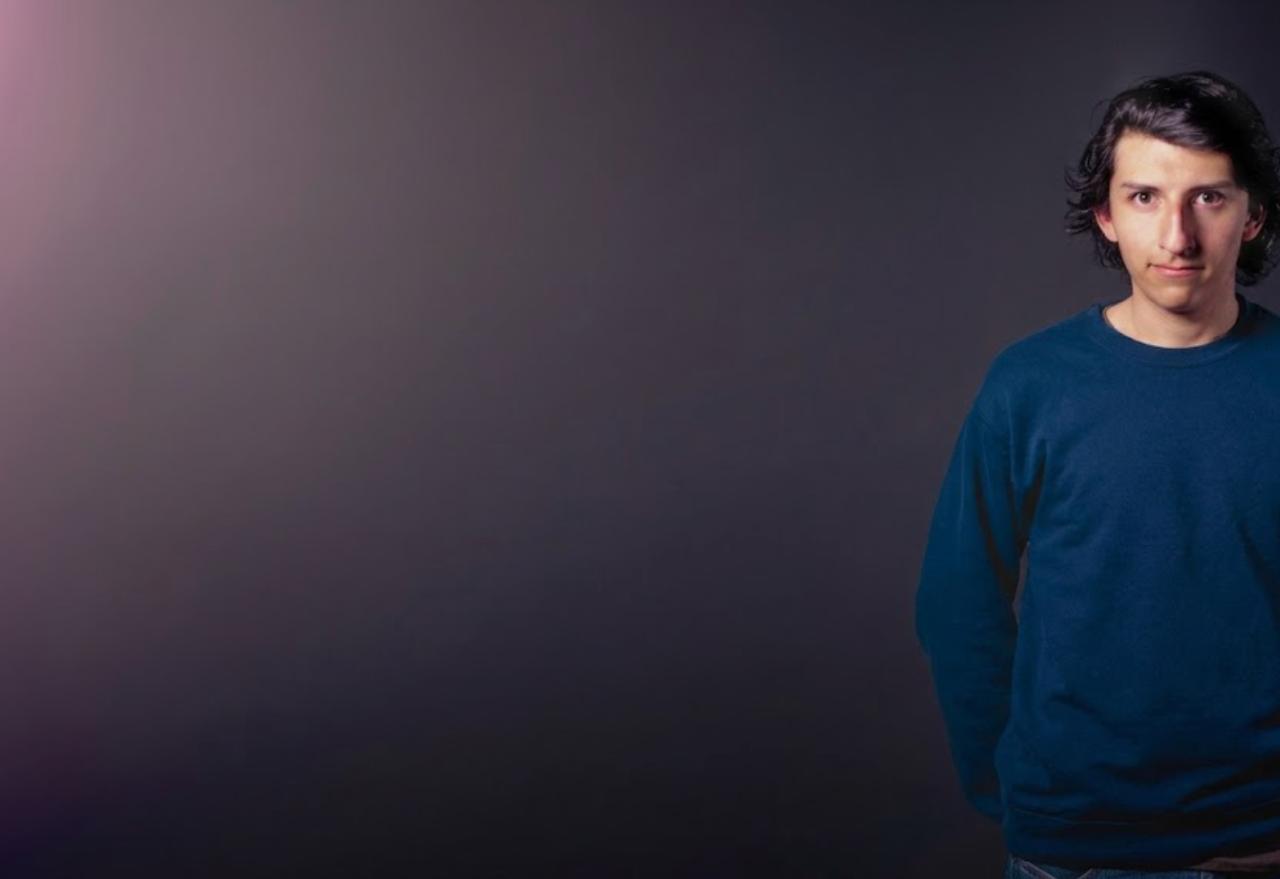
Hugo Martell has been drawn to storytelling for as long as he can remember. His animated film doesn't try to protect the audience from difficult themes — it talks about trauma, struggle, and growing up with the same honesty he found in the illustrated storybooks of his childhood.
Tell us about your background and your film.
I've been drawn to storytelling for as long as I can remember, especially through films and illustrated storybooks. I was one of those kids who would watch something and then immediately try to recreate it in my own way. In high school, I focused on art and different ways of expressing ideas and emotions. This film really comes from that place — from wanting to tell something honest, not just something that looks good.
What was the initial inspiration?
I was inspired by older storybooks that didn't try to protect the audience from difficult themes — they talked about trauma, struggle, growing up. I wanted to take that honesty and bring it into something more mature, with characters that aren't perfect and don't always make the right choices.
"Don't live in a bubble. Be open. Question things. Reality is always more complicated than black and white."
What was the most challenging part of the process?
Honestly — learning how to listen. Taking feedback is not easy, especially when it's something personal. But it's necessary. At some point, you realize the film isn't just yours anymore. Other people see things you don't, and if you're open to that, the project becomes stronger.
Did you discover something about yourself while making this film?
Yeah, I think so. The story itself is about understanding who you are, and in a way, I was going through that process too. It made me realize how easy it is to stay inside your own perspective — and how important it is to step outside of it.
Why did you choose animation as your medium?
Animation gives you a kind of freedom that's hard to achieve in live-action. You can talk about heavy, complex things, but still shape the world in a more symbolic or emotional way. It lets you go deeper without being limited by reality.
What part of filmmaking did you enjoy the most?
Music, surprisingly. It's such a powerful tool. Sometimes it says more than dialogue ever could. It can completely change how you understand a scene.
What do you hope audiences take away?
Don't live in a bubble. Be open. Question things. Don't just accept what the world tells you or what people expect from you. And also — don't see everything in black and white. Reality is always more complicated than that.
Watch the interview
Open on YouTube ↗