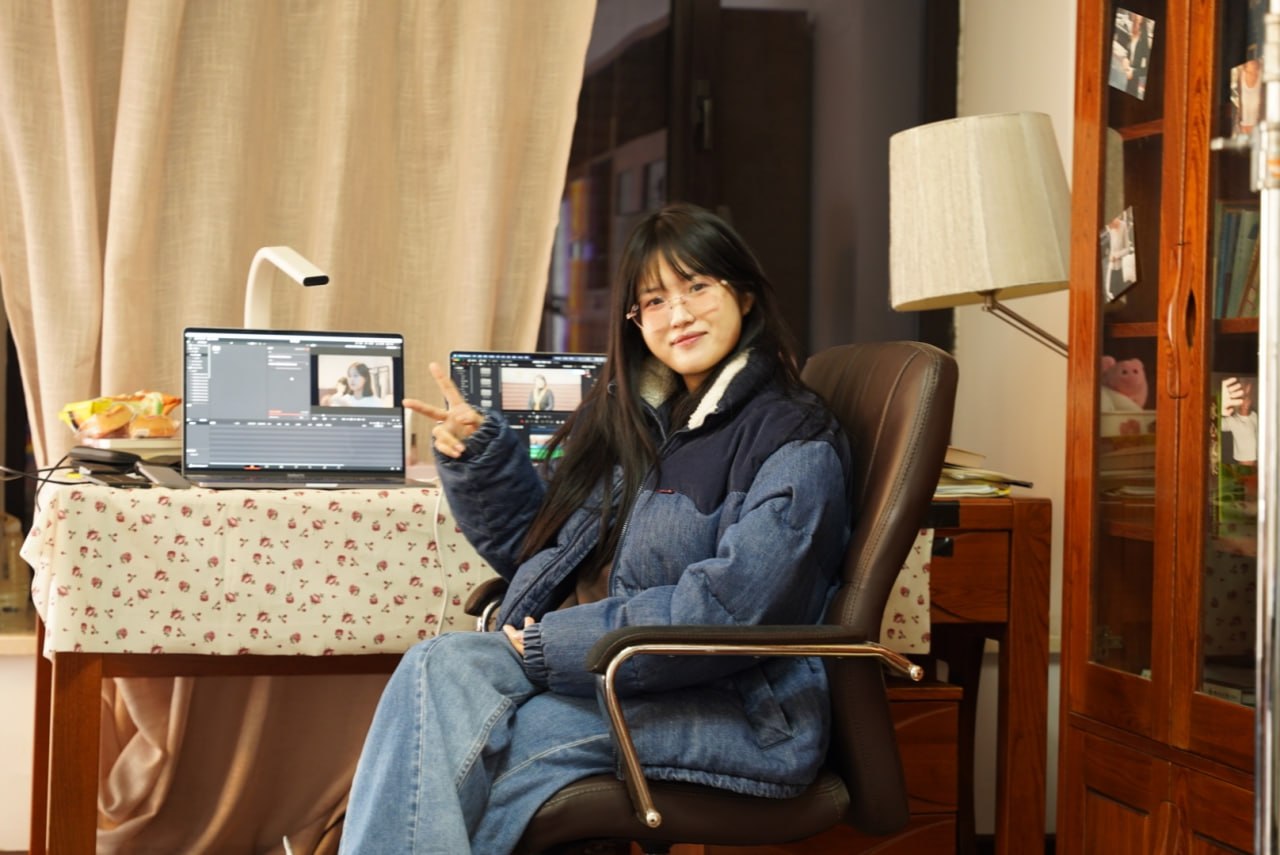
Yilin Lee is a filmmaker from Suzhou, China, whose documentary "Imperial Kiln Brick" began as an undergraduate graduation project shot almost entirely alone. We spoke with her about cultural heritage, the eight-month process of making the film, and what it taught her about honesty.
To begin, could you introduce yourself and tell us a bit about your documentary?
My name is Yilin Lee, and I'm from Suzhou, China. I currently work as an executive secretary at a PCBA company, but filmmaking has always been a passion of mine. Imperial Kiln Brick was my undergraduate graduation project and the first film I ever made. I spent six months researching, filming, and editing it almost entirely on my own, with support from my classmates. Because of that, it will always have a special place in my heart.
What inspired you to focus on Suzhou's cultural heritage?
I've lived in Suzhou for many years and truly love the city. Its history, landscapes, and traditions are incredible. My mother also worked in cultural heritage preservation when I was growing up, so I was introduced to museums, historical sites, and traditional crafts from an early age. Looking back, I think that's where my interest in documentaries and culture really began.
Is there a place in Suzhou that means the most to you?
Definitely Taihu Lake. It's deeply connected to Suzhou's history and culture. The clay used to make Imperial Kiln Bricks comes from the lake, and many local traditions, including Kunqu Opera, are tied to it. Beyond its history, it's simply a beautiful place.
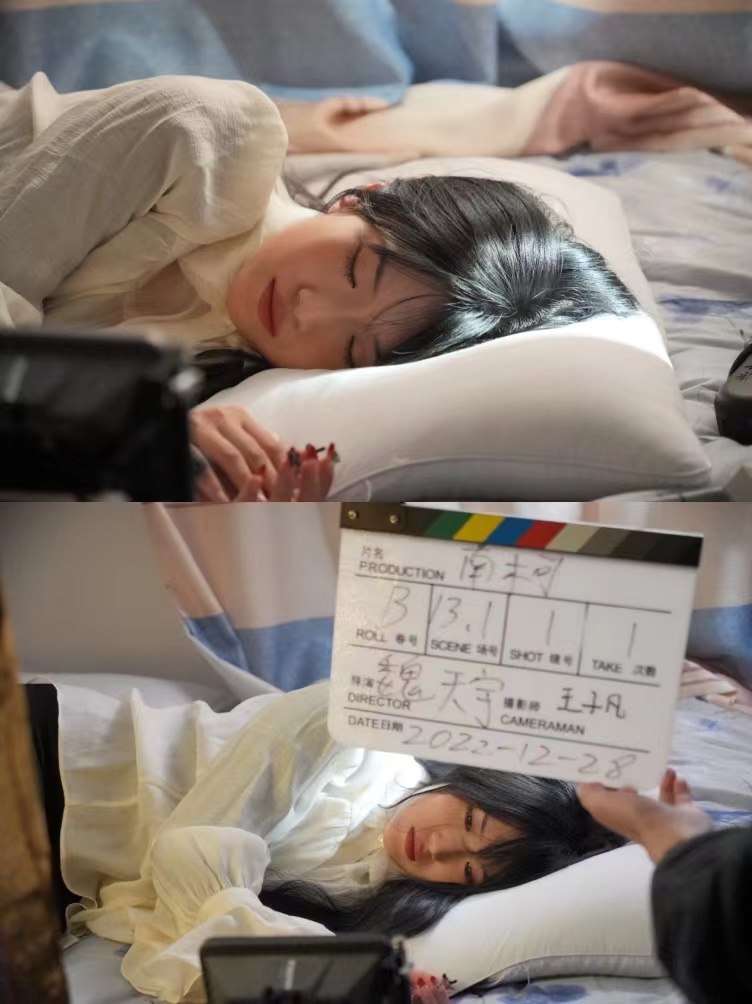
On location during the filming of Imperial Kiln Brick
Were there any filmmakers or documentaries that influenced your work?
I was inspired mainly by BBC documentaries. I don't have one particular director in mind because different people direct different episodes, but I admire their storytelling. They know how to make audiences stay engaged while presenting history and culture in a very natural way. They taught me a lot about documentary structure.
How did the story evolve during production?
At first, I thought I could simply explain what Imperial Kiln Bricks were and tell the story of the artisan. But once I arrived on location, I realized it was much more complex. The craft, its history, and the people behind it deserved a different approach. I restructured the film, combining historical reconstruction with present-day documentary footage so the story could feel more immersive.
What was the biggest challenge during filming?
The environment. We filmed in a brick kiln where everything was covered in mud, and the heat from the furnaces was intense. Our cameras kept overheating, so we often had to stop filming, let the equipment cool down, and then continue. It was physically exhausting, but absolutely worth it.
"I realized I often hide my emotions, even from the people I love. Making this film taught me to be more honest with myself and with others."
Did making the film teach you something about yourself?
It did. I edited the documentary seventeen times, and during that process, I realized how difficult it is to communicate exactly what you feel. Sometimes what you want to express isn't what the audience receives. It also made me reflect on my own life — I realized I often hide my emotions, even from the people I love. Making this film taught me to be more honest with myself and with others.
What do you hope audiences take away from the documentary?
Making an Imperial Kiln Brick takes almost a year. It's a difficult, demanding process, but the final result is incredibly strong and beautiful. I think that's true for many things in life. Sometimes the hardest work leads to the most meaningful results, even if you can't see it at the beginning.
Is there a scene you're especially proud of?
The opening sequence. We recreated historical scenes with friends wearing traditional Chinese costumes, and even though it lasts only about thirty seconds, it immediately transports the audience into another time. I still love that introduction.
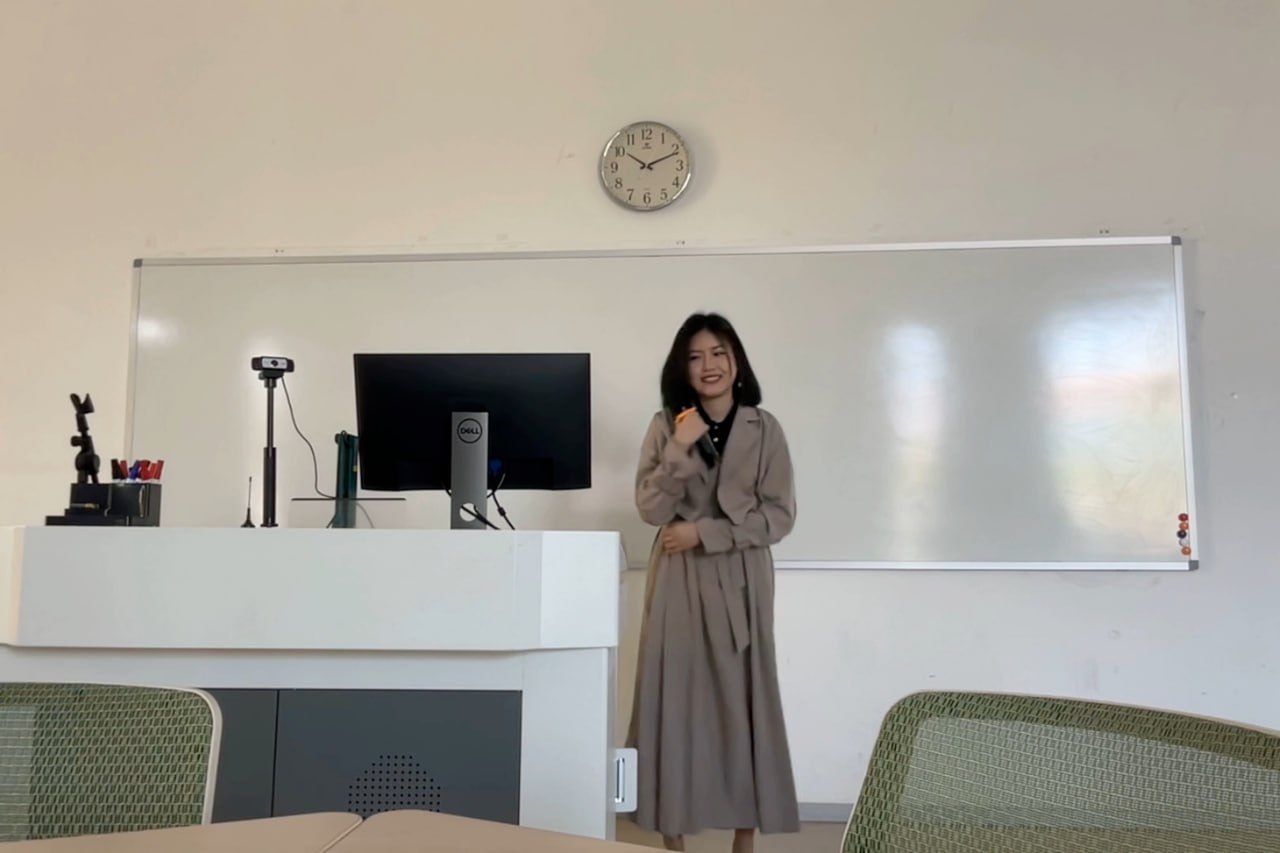
Presenting the project
What do you enjoy most about filmmaking?
Two moments. The beginning, when an idea starts taking shape, and I can plan the entire project — I love organizing everything. And in the end, when the film is finally complete. It feels like watching your own baby come to life.
Looking back, is there anything you would do differently?
I wish I had been able to interview the father of my main character. He is the previous inheritor of this cultural tradition, but at the time, he declined to participate. If I ever return to this project and make a feature-length version, I hope I'll have the chance to tell more of his story as well.
Finally, what message would you like to leave for our readers?
Slow down and don't forget your own culture. Cultural heritage isn't something that belongs only in museums — it's part of who we are. And to young filmmakers: don't let AI discourage you from creating. Use it as a tool if it helps, but never stop telling stories. Human experiences and real voices will always matter.
Watch the interview
Open on YouTube ↗