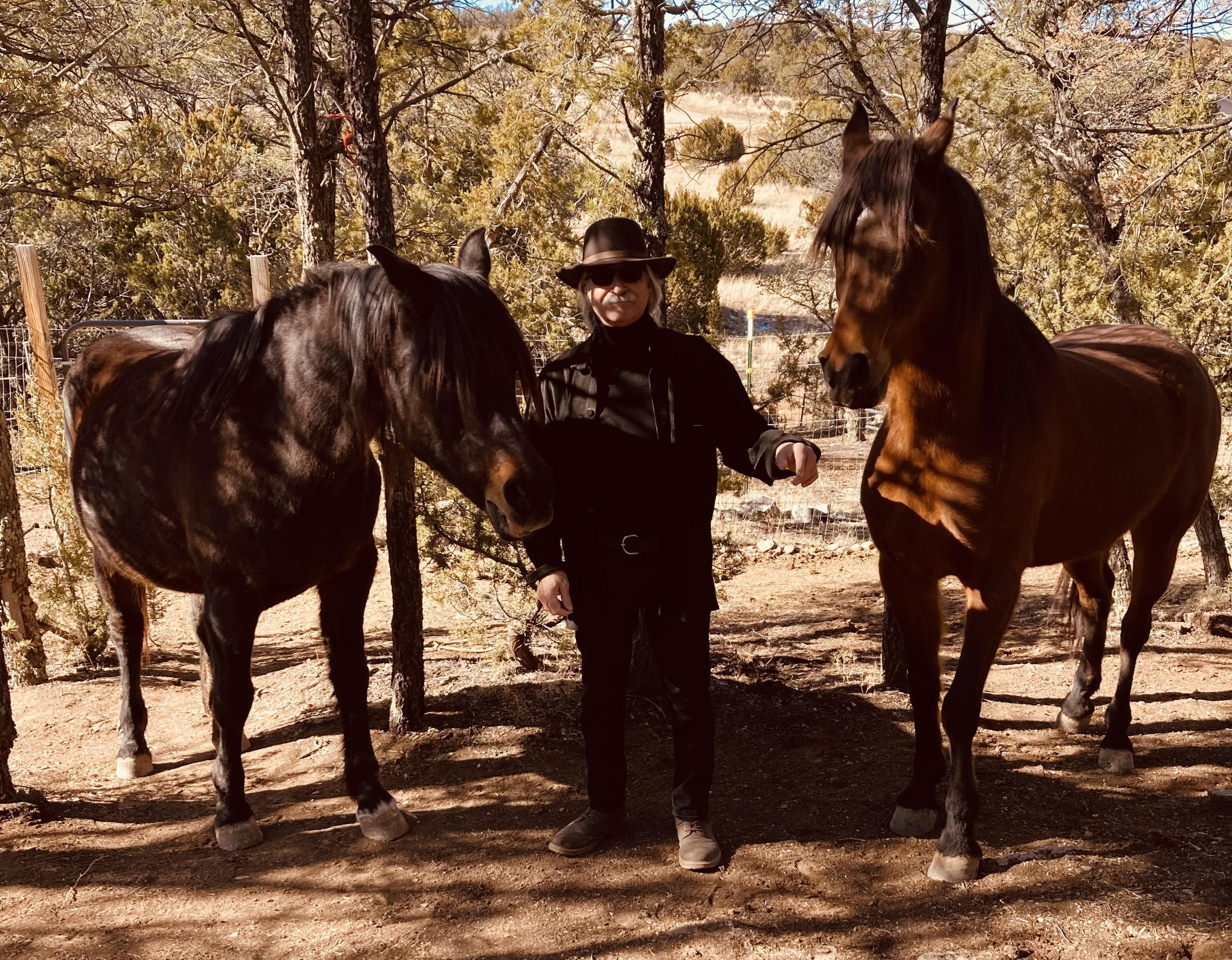
Dana Silkiss is a filmmaker, musician and equine therapist whose debut project Midnight's Journey draws from one of the most extraordinary personal stories we've encountered — a kidnapping, a labor camp, FBI corruption, and thirty years of silence. This is not a film. This is testimony.
How did your journey into cinema begin?
It was something that happened to me when I was 19, 20 years old. I was in Florida, putting together a band. One night, the police moved down the beach with metal pipes, hitting people sleeping there. A bus pulled up with cops — one of them had put a gun to my head days earlier when I stopped them from beating a Black kid who had simply asked a white woman for directions. They put masks on our heads, put us on that bus, and brought us a couple hundred miles away to Georgia — to a labor camp. Midnight's Journey is about what happened before that, at the camp, and afterwards. High-level people were involved — senators, a governor, mayors. And it's very similar to what's going on in America now.
What was your vision for turning this into a film?
My initial thought was a limited TV series, because there's so much involved. We wrote scripts, created series decks. We're getting a lot of interest — mostly in Europe, because I think America is afraid of the subject right now, especially with what's going on. We have everything: scripts, a series deck explaining each season, feature-length versions, an original theme song, a teaser trailer. Now I'm looking for an executive producer and funding. It's always about the money.
"Take whatever turmoil happened, and you survived it — turn it within yourself and make yourself stronger. Don't become a victim."
How has the script evolved over time?
It evolved slowly but surely. Even now, sometimes we make little changes — some people say they want more episodes, others want more action scenes. Everyone has a different perspective on what would sell. So I have a few different versions. A script is never really finalized. You reach a point and say, that's it — because if you keep editing, you get away from the original intensity of it.
What was the most challenging part of making this project?
Writing it was not easy. I had kept it buried in my mind for 30 years because of agreements I had made with the FBI — I couldn't reveal anything due to the high-level people involved. I waited until I figured they had probably died off, so I would have more freedom. And then turning it into a script — because a script is not about your thoughts or what you observed. You have to show people. You can't tell them. They have to see it for themselves. That was the real challenge.
What do you hope audiences take from this film?
When I do radio interviews, I always emphasize: don't become a victim. Take whatever turmoil happened — and you survived it — and turn it within yourself to make yourself stronger, a better person. After that experience, I learned to use horses to help people unlock their personalities. Children with cognitive behavior problems, autistic children who didn't talk — now they're talking and doing well in school. That's the most gratifying thing: helping people and educating them to the reality of the world.
How would you describe your film in three words?
Don't be a victim.
Watch the interview
Open on YouTube ↗