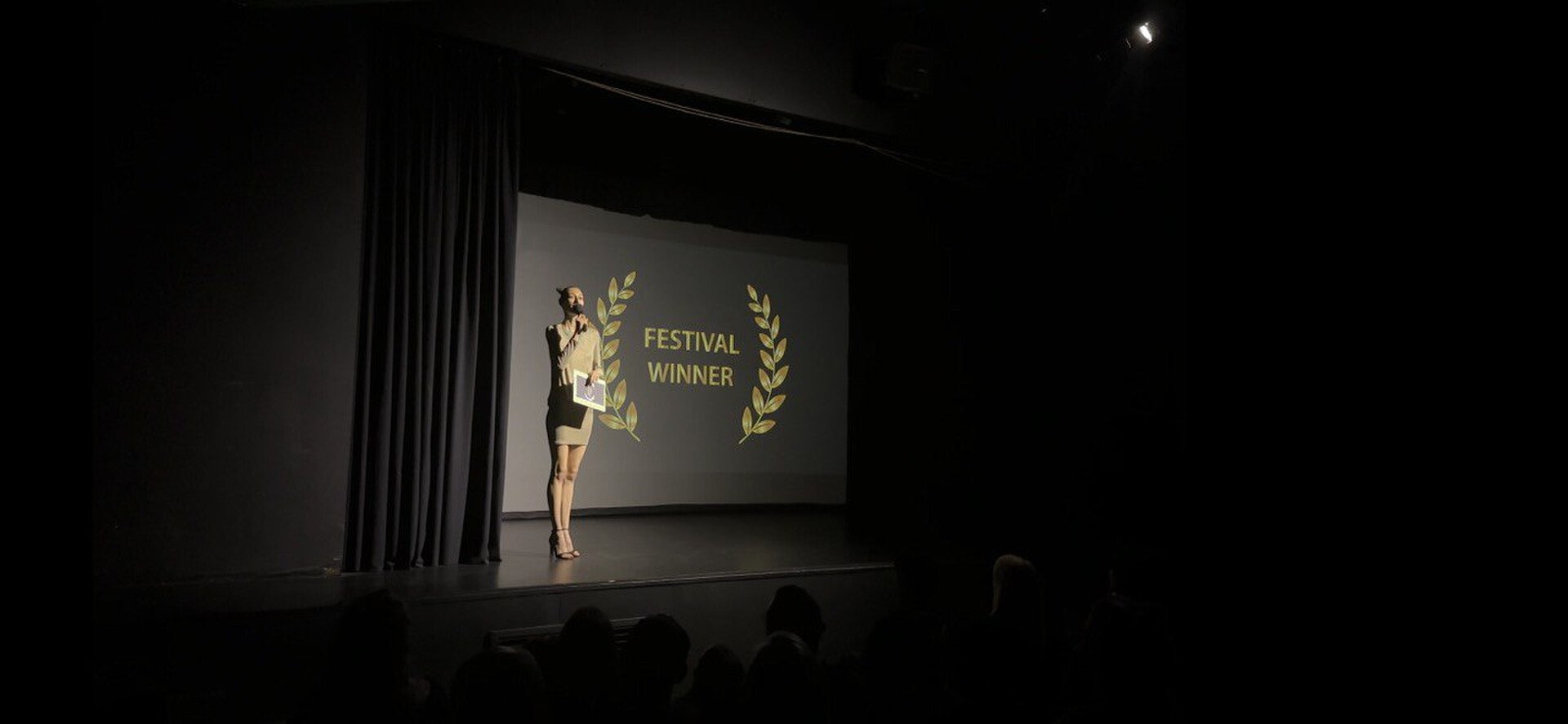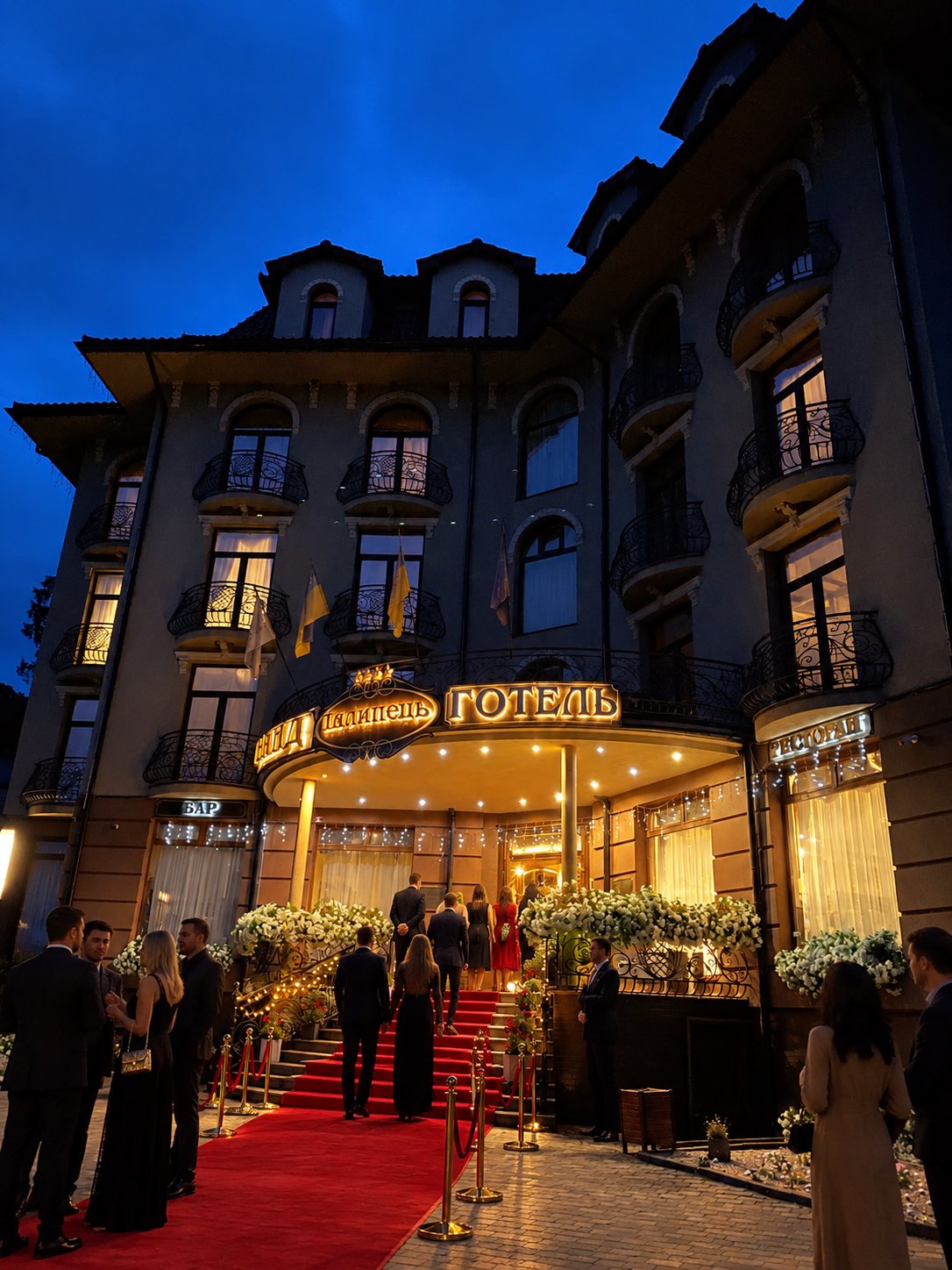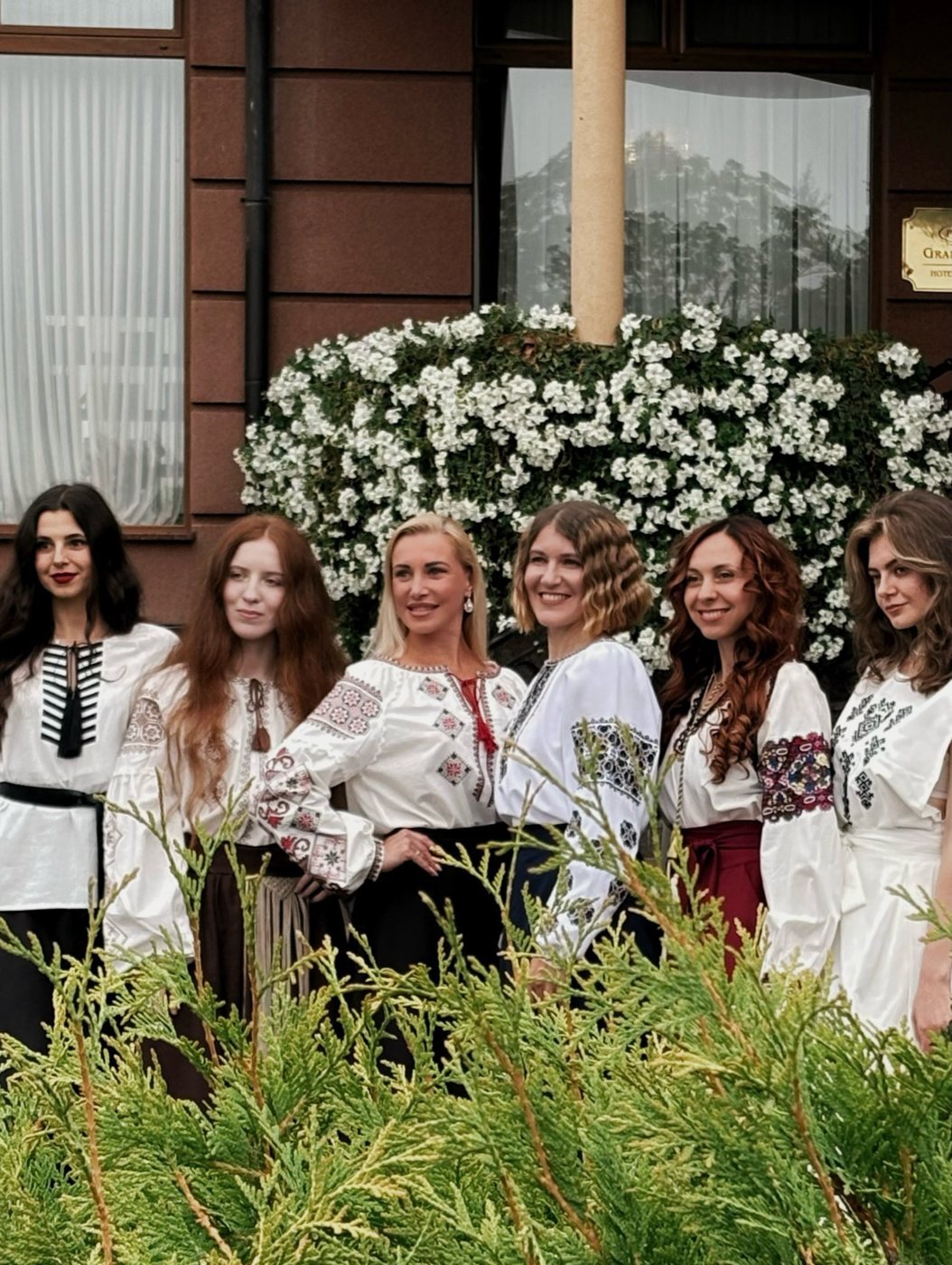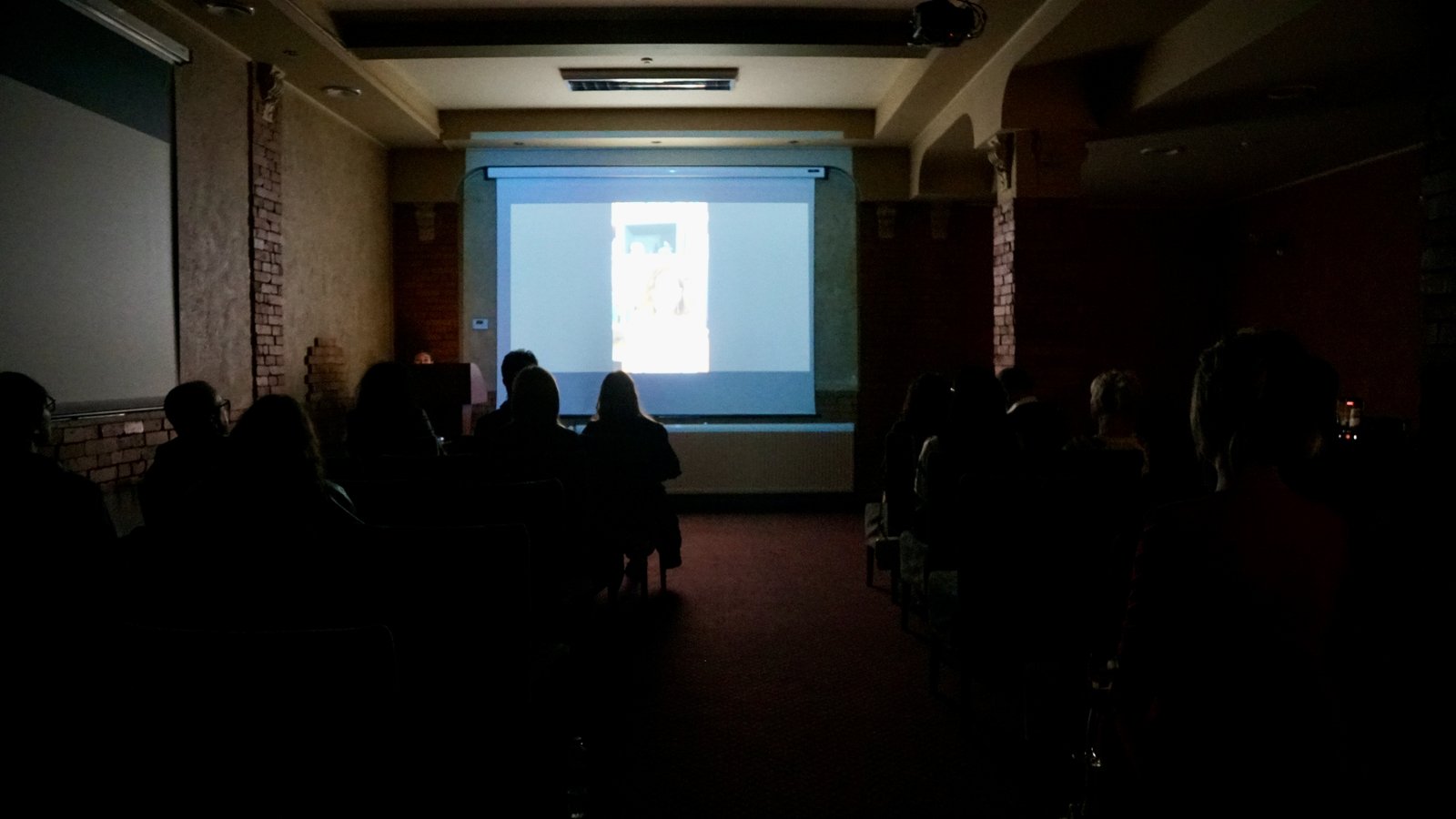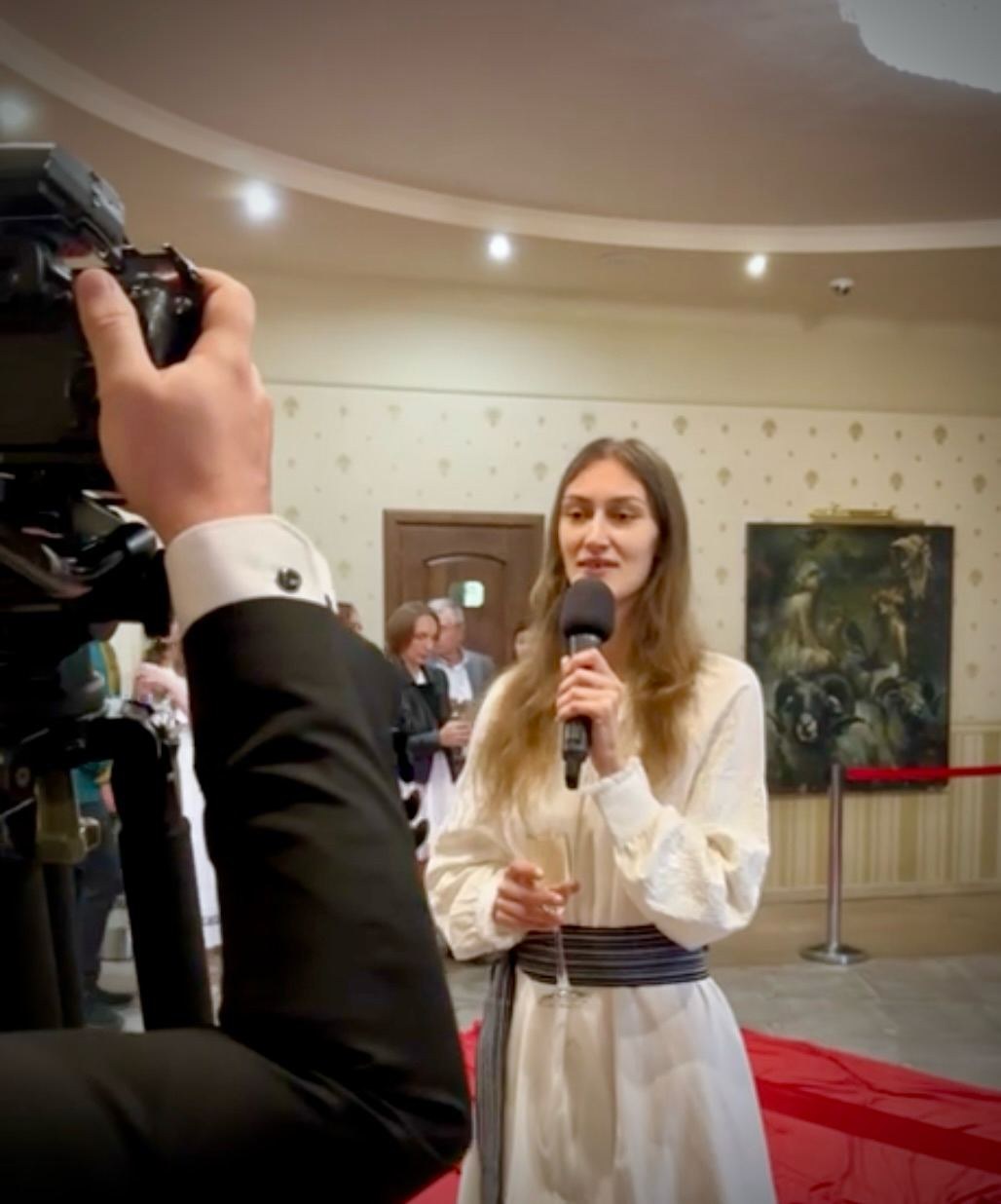
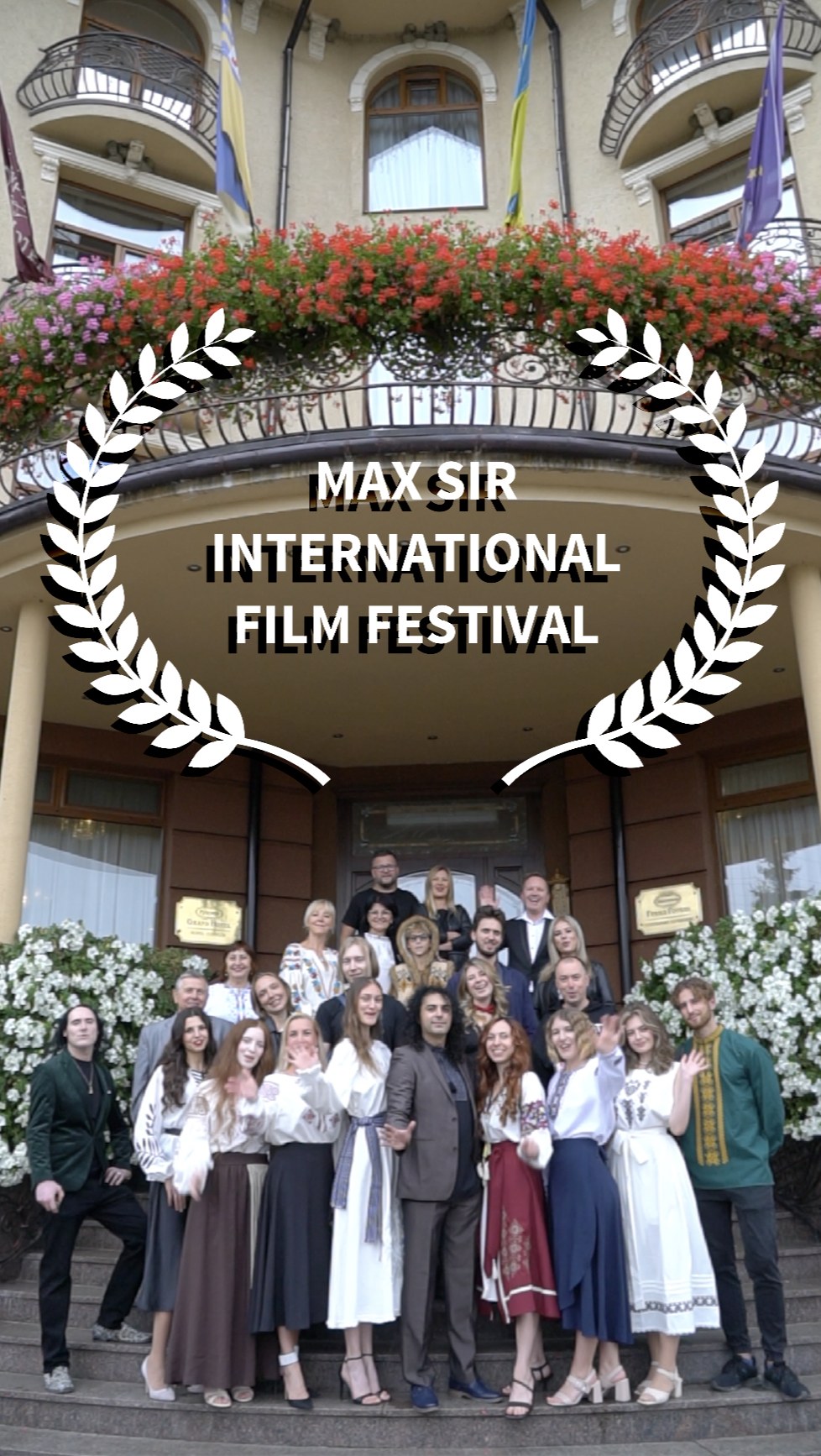
On the second day of Max Sir International Film Festival, just before the Ukrainian programme was screened, directors from Ukraine and international guests talked about what drives them to make films, how the war changes the conditions of their work, and why Ukrainian stories need to reach audiences abroad. Two young authors also joined the discussion to present the idea for their own film and receive advice from working filmmakers.
The Stories Behind the Films
The participants began by briefly introducing their films and explaining why they made them. For director Volodymyr Kudriachenko, the short film Monsters became a way to preserve the emotions of the first months of the full-scale invasion. The events of the war, he said, can be read about in many sources, but cinema makes it possible to convey what people went through inside. Kudriachenko also noted that Ukrainian viewers find it hard to watch films about the war, because that reality is already part of everyday life — yet abroad the film was received very warmly.
"Art is a way of passing emotions from one person to another."
Volodymyr KudriachenkoA different view of the Ukrainian experience came from the team behind the documentary House of Street Culture, made by director Ivan Valianskyi from Zaporizhzhia. Viktor Cholanovskyi and Nata, who appear in the film, spoke about a space that became a home for young people and internally displaced people — a place where the young could grow through street culture and sport.
Maksym Popovych presented Intermezzo, a dialogue-free short by a Ukrainian-Canadian team whose title refers to Mykhailo Kotsiubynskyi's famous impressionist story. According to Popovych, the promotion of Ukrainian cinema abroad still lacks a system and resources, and many films remain known only inside the country. In his view, Ukrainian films need support with promotion and access to audiences beyond Ukraine's borders.
"Every film needs an audience."
Maksym PopovychPopovych also recalled that while they were shooting in Canada, local farmers whose families had Ukrainian roots gave the team locations and let them use their equipment free of charge.
Documentary filmmaker Denys Zozulia, who records local culture and won an award for Love and Hate, a film about the work of the poet Vasyl Symonenko, spoke about the importance of working with national heritage. He shared his plans for his next project — a contemporary adaptation of a work by a Ukrainian classic, for which he is currently looking for distributors.
Between War Fatigue and the Need to Tell the Story
A separate part of the conversation was devoted to the festival's Ukrainian programme and the challenges facing directors today. Jury president Maksym Tuzhylin spoke highly of the films he had already seen — the direction, the visual choices and the overall look of the work.
Tuzhylin stressed how important it is for Ukrainian filmmakers to bring their experience to people abroad. Part of the task of Ukrainian cinema, he said, is to show the reality of the war through the stories of those living through it. At the same time, audiences can tire of constant attention to the war, so filmmakers need to look for new forms and angles to talk about Ukraine and to explain the challenges it faces every day.
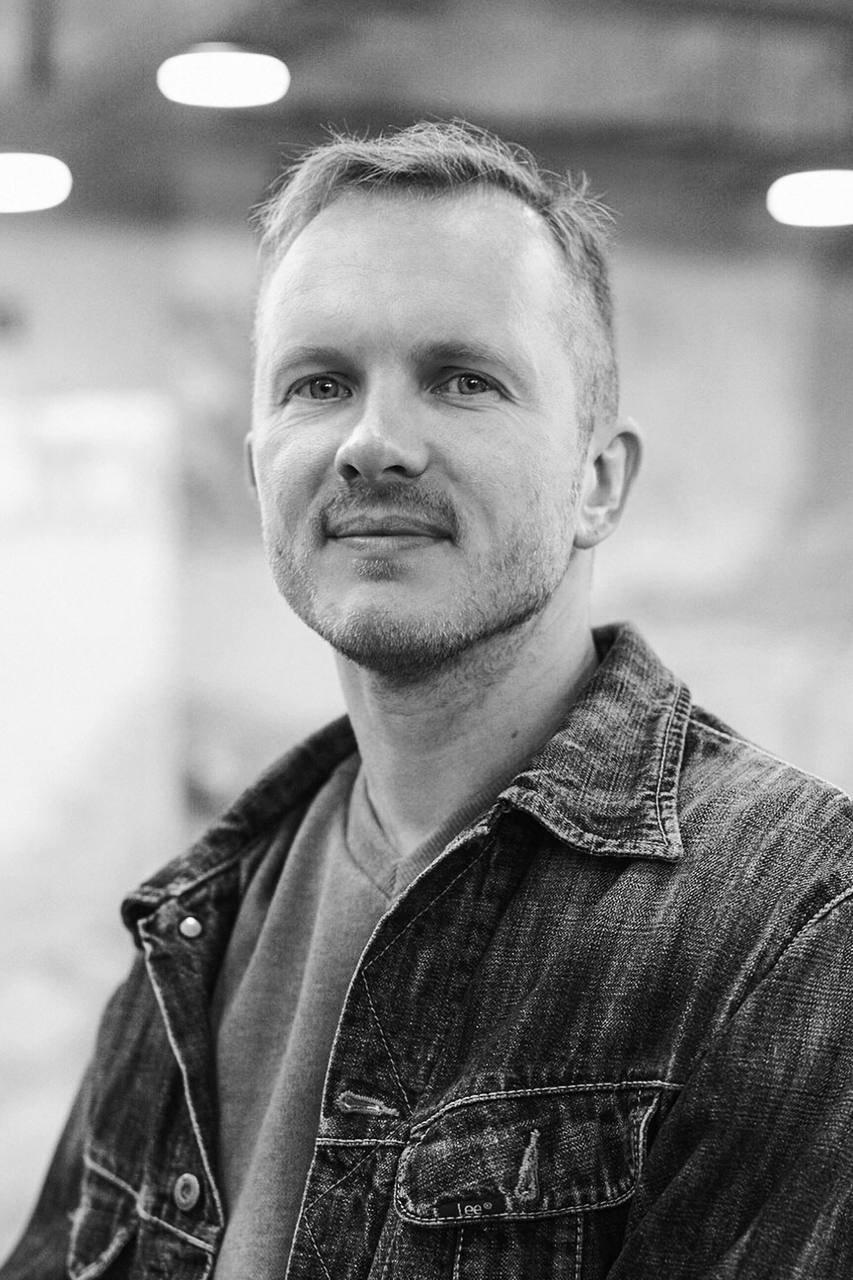
Jury member Oleksandra also praised how competitive the Ukrainian films were and how many of them made it into the programme. She drew attention, too, to how difficult production is under current conditions, and wished Ukrainian filmmakers inspiration, the chance to find funding, and people ready to stand behind their ideas.
Oleksandra said she would like to see more hopeful stories in future programmes alongside the films about the war. Cinema, after all, can also show hope, the future, and the possibility of feeling joy even in hard circumstances.
When Creativity Is Born of Limits
The participants also talked about the practical difficulties of filmmaking. Olena, from the team of the psychological arthouse thriller Ama Mortem, For It Is All For Art, said the film was made by three people on a budget of about 100 dollars. The lack of resources pushed them towards experimental solutions. This experience, she said, is familiar to many Ukrainian directors — and a good example of how limits can spark inventiveness.
"Creativity — real creativity — comes from limits."
Olena, Ama Mortem, For It Is All For ArtThe team of House of Street Culture recalled that working on the film meant living through the characters' stories together with them, while constantly worrying about danger during interviews because of missiles and Shahed drones overhead. The crew had to balance work in front of the camera with urgent calls to their families to check that they were safe.
Making the documentary meant gathering the stories of many people and organising a huge amount of material covering five years in the life of the community. Arranging interviews was not easy: the characters were in very different circumstances, and some were not ready to share their personal stories publicly. Editing was a challenge of its own — the archive held so much footage that it could have become a separate series. The director had more than a terabyte of interviews to fit into a film of an hour and a half.
A Film About Mars, and Advice for Young Authors
Schoolgirls Alina Zavertana and Vitalina Dudnyk, who are developing the idea for their own film, also joined the discussion. They raised the subject of indifference towards the conscious consumption of Russian content. With their film, they want to prompt viewers to reflect on how cultural choices are tied to respect for the Ukrainian language, Ukrainian culture and the people who defend the country.
The authors chose a metaphor: Mars, gradually losing its water. In their concept, the loss is caused by sound waves. Through the story of a person trying to save the water, they want to speak about the consequences of indifference and the spread of Russian cultural influence.
Olha Farlenna, director of Ama Mortem, For It Is All For Art, advised them to work carefully on the dramaturgy and not to spell out the main idea too directly. In her view, a strong story lets the audience reach the conclusion on their own through images and context — otherwise even an important message risks turning into propaganda for one's own idea.
Volodymyr Kudriachenko supported the idea of working with metaphors, but warned that they must remain clear not only to the authors. He suggested writing a sharp logline — a short summary of the film's essence — and checking whether other people understand it correctly. He also reminded them that cinema is a collective work: talking with the team helps you avoid getting stuck in your own vision and carry the idea through to the end.
Marian Standefer shared her own experience of starting out in film. She told the girls that they do not need to have a quick answer to every question about their film. Marian advised them to be ready to communicate actively and to stay true to their ideas, even when others do not understand them. It does not matter, she said, if the film is not technically perfect — what matters most is its idea and its story.
Ringo Christian Van Droffelaar explained from his own experience that overcoming serious difficulties during the work is a sign you are creating something truly meaningful. His advice: never give up, however hard things get.
Maksym Tuzhylin suggested talking about a future film while it is still being made — creating an online page for the project, posting photos from the process and gradually building an audience around it through communication.
"Act from the heart and do what you love — then it will be a product of real value that carries the meanings you put into it."
Maksym TuzhylinAt the end, the authors thanked everyone for their feedback and said they would try to keep their concept while making it clearer for viewers. For them, the meeting was a chance to present their idea to professional filmmakers and to come away with direction for the work ahead.