
Tetiana Kozelska is a Ukrainian writer and programmer who spent years working with code before she found that the truest way to understand the world was through fiction. Her debut novel — a story about a woman who becomes a military diver — is already in print.
Tetiana Kozelska is a Ukrainian writer from Dnipro, currently based in Dnipro. By profession she is a software developer — a background that shapes her thinking in ways that are not always immediately obvious. She is systematic, precise, and capable of holding enormous complexity in her head at once. She applies all of this to fiction.
Her debut novel, "De Svitlo Ne Syahaie" — Where the Light Does Not Reach — was published in spring 2026 and has already gone into its first print run. The book tells the story of Olena and Sasha, a married couple who become volunteer military divers in the Ukrainian Armed Forces. It is a novel, first and foremost, about people who are trying to hold onto their love during wartime — across distance, through shelling, and against everything that pulls them apart.
"I wanted to write about war honestly — not as a backdrop, but as the thing that changes what love means and what silence costs."
The subject matter required serious preparation. Before writing, Tetiana consulted with military personnel, a professional diver, and a psychologist, in order to portray the physical and emotional realities of her characters accurately. The diver's world — its silence, its pressure, its disorientation — became both a literal setting and a metaphor for the novel as a whole: the places where light cannot reach, where orientation is difficult, where survival depends on discipline and breath.
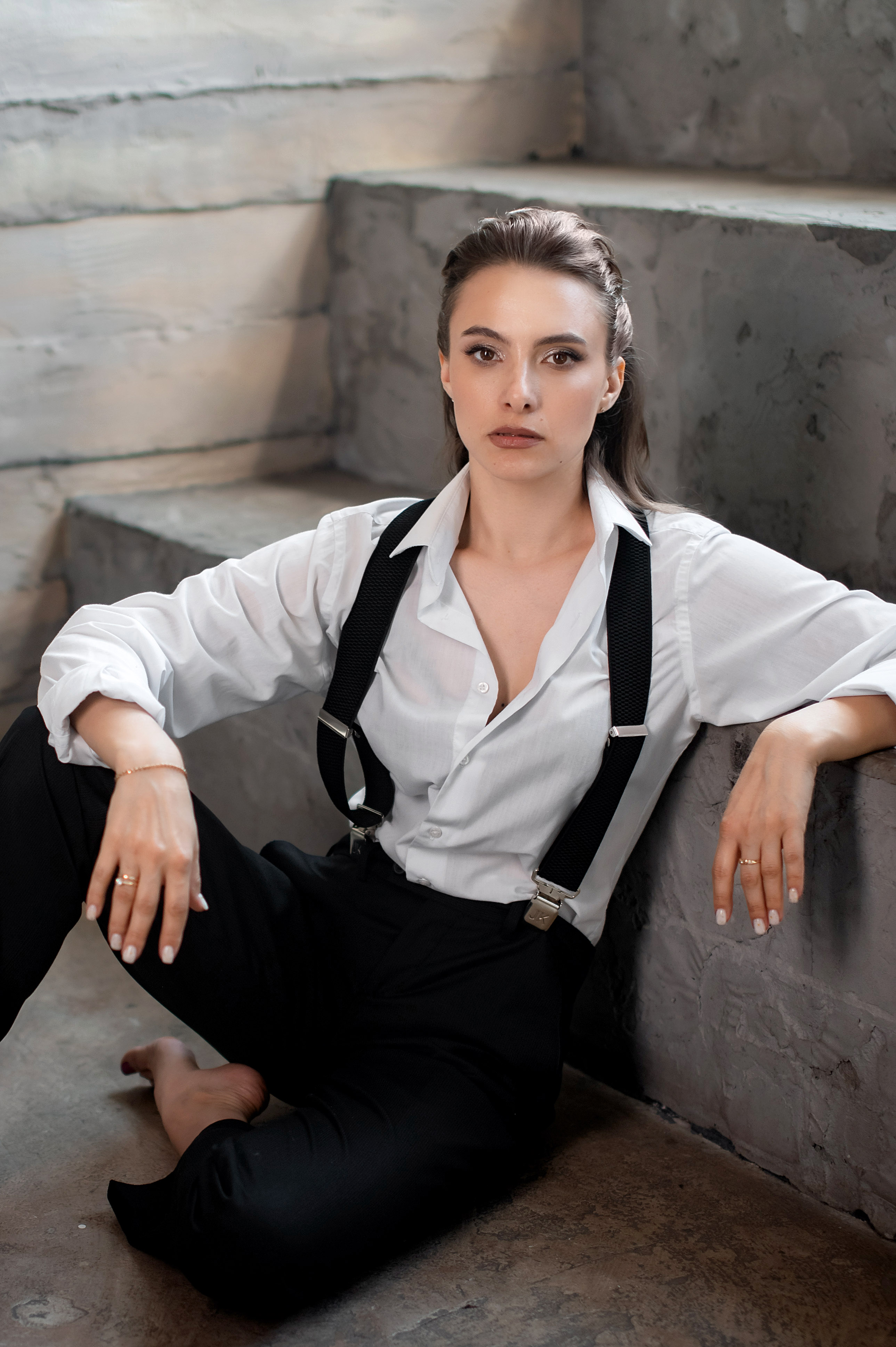
Tetiana began writing after the start of Russia's full-scale invasion of Ukraine in 2022. Years in software development gave her an unusual relationship to structure — she thinks in systems, in dependencies, in cause and effect. In her novel, this shows: the plot is tightly constructed, the consequences are logical, and nothing is there by accident. But what makes the book work is not its architecture. It is the emotional honesty at its centre.
She writes about Dnipro the way writers write about cities they know intimately and love reluctantly — with detail, with ambivalence, and with the particular grief of someone who has watched a familiar place change under circumstances no one chose. Dnipro is not a backdrop in her work. It is a presence.
The novel has resonated strongly with Ukrainian readers — particularly women who recognize in Olena's experience something that has not often been named in fiction: the reality of a woman who chooses to serve, who carries the discipline, the danger, and the weight of that choice herself. Tetiana gave that experience a name and a story, and readers found themselves in it.
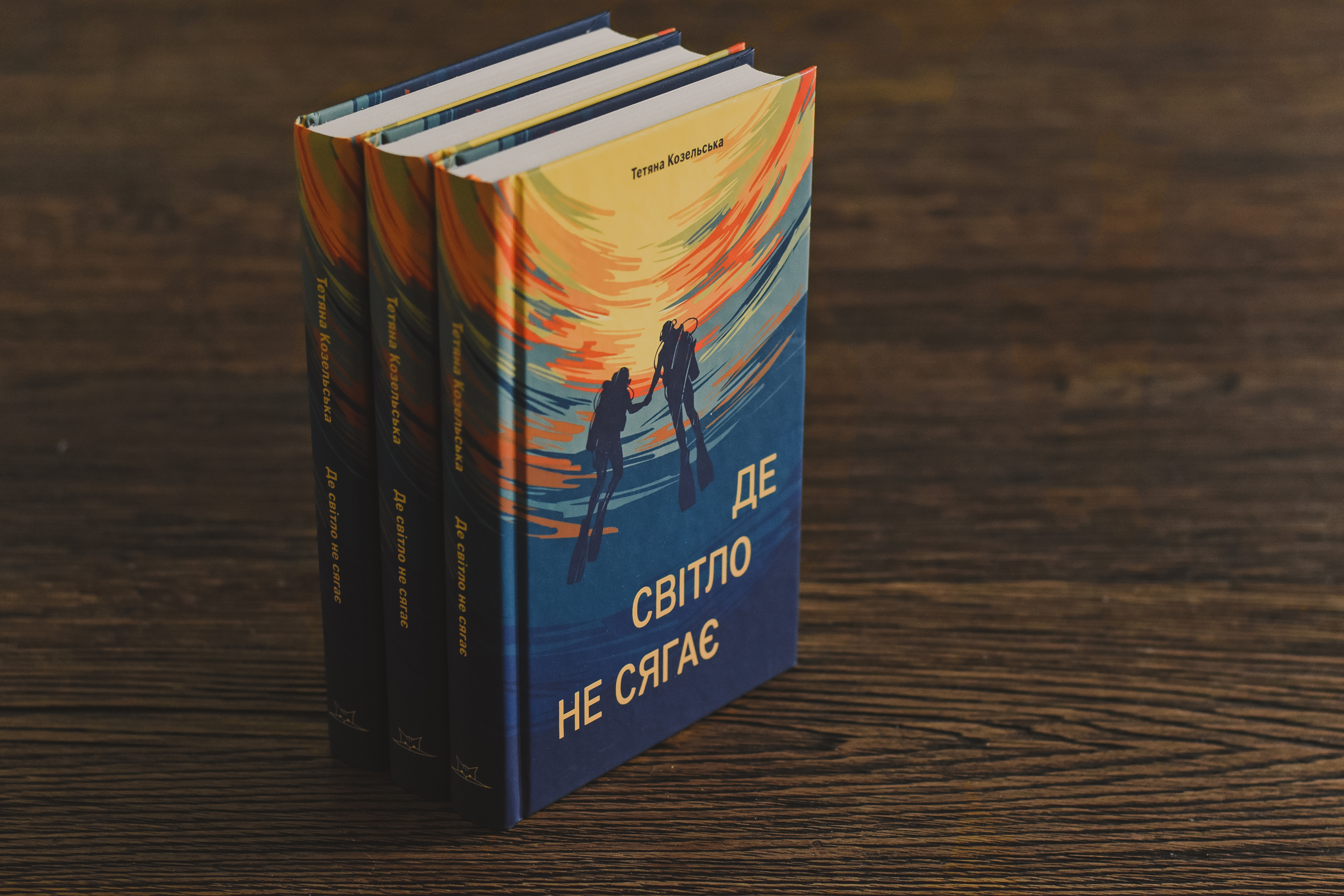
Now working on her next project, Tetiana continues to move between her two worlds — code and story — convinced that they are less different than most people assume. Both require precision. Both are built from small decisions that accumulate into something larger than any single line. And in both, the hardest thing is not getting the structure right. It is finding the truth inside it.