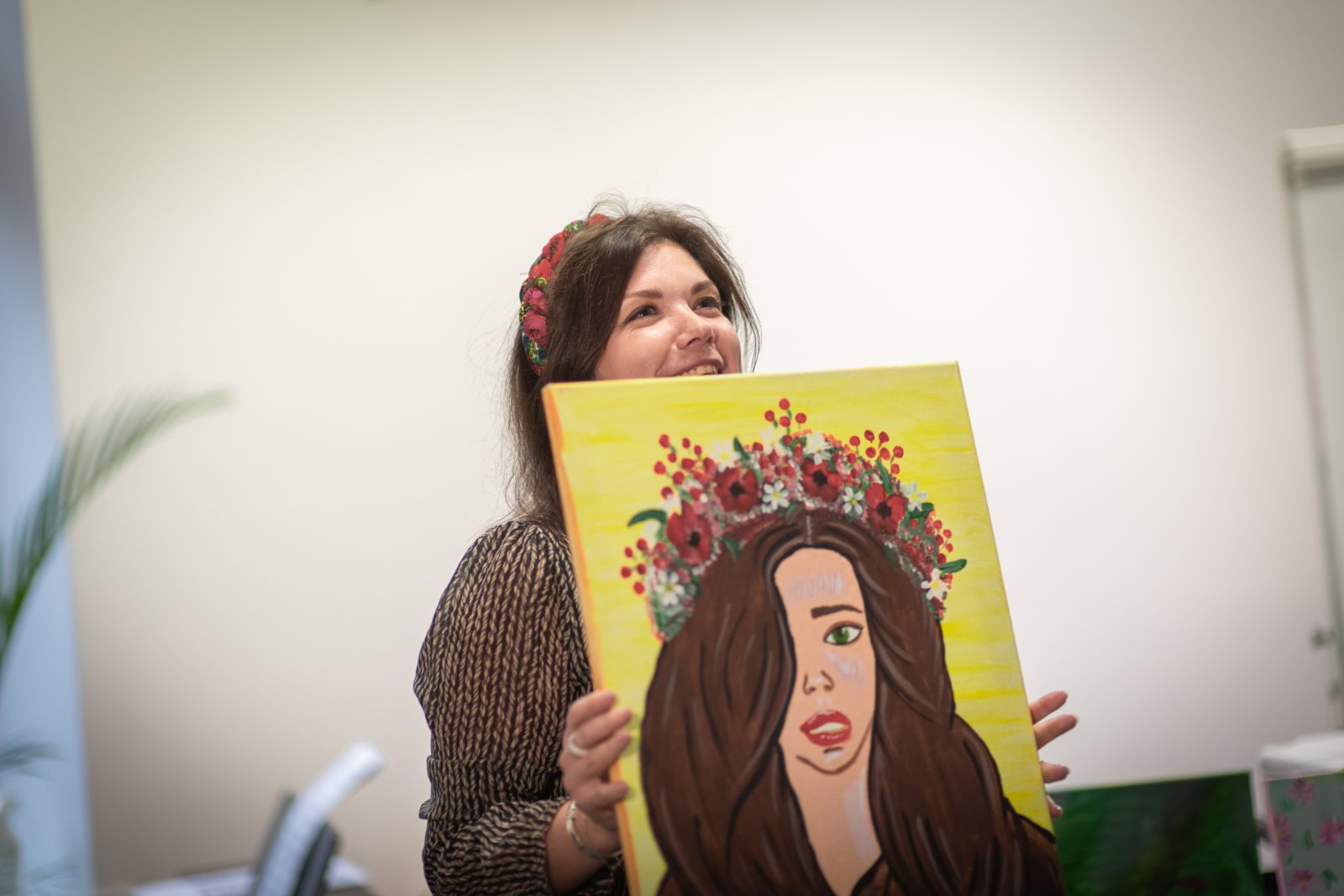
By day she coordinates exhibitions at the National Gallery of Art of Lithuania. By night and weekend she paints — Ukrainian symbols, wheat fields, women in flower crowns — and organizes art workshops for the Ukrainian community in Vilnius. For Khrystyna Havrylenko, the two lives are not separate. They are the same mission in different registers.
Khrystyna Havrylenko is a Ukrainian art manager, curator, art therapist and painter based in Vilnius, Lithuania, where she works at the National Gallery of Art. Her professional background spans exhibition management, cultural programming, art therapy, and community-building — a combination that reflects a particular philosophy: that art is not only something to be observed, but something to be used.
Since relocating to Lithuania following Russia's full-scale invasion of Ukraine in 2022, Khrystyna has become one of the most active figures in the Ukrainian cultural community in Vilnius. She has organized integration initiatives — art workshops, community gatherings, charitable events — designed to help displaced Ukrainians maintain a connection to their cultural identity while building new networks in an unfamiliar country. The workshops are not only about making art. They are about being seen, being together, and being reminded that identity persists even when geography changes.
"When someone picks up a paintbrush for the first time in years, something unlocks. That's what art can do that nothing else can."
Her own paintings carry this conviction directly. The work is figurative and symbolic — women wearing flower crowns that echo the Ukrainian vyshyvanka tradition, wheat fields painted in thick, textured strokes that give them a physical presence, hearts in the colours of the Ukrainian flag held up against city skylines. The images are not subtle, and they are not trying to be. They are paintings made by someone who needs colour, who needs symbol, who needs the act of marking something as Ukrainian and alive.
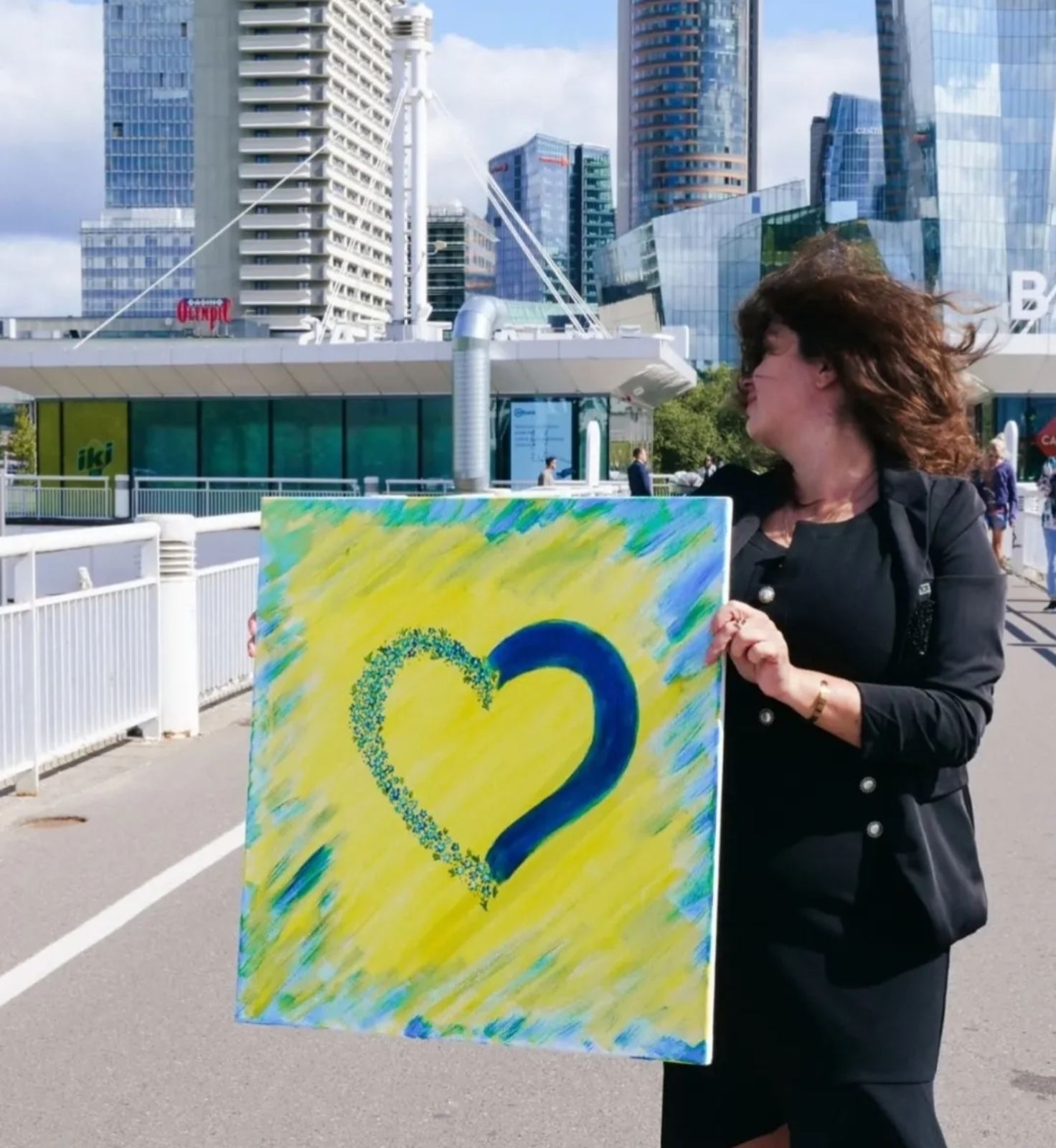
At the National Gallery of Art, Khrystyna works across exhibition coordination and educational programming, contributing to one of the most significant cultural institutions in the Baltic region. The role has given her both professional grounding and access to a broad network of artists, curators and cultural organizations across Europe — connections she actively uses to support Ukrainian artists and initiatives seeking international visibility.
She is also involved in planning multimedia projects for 2026 focused on dialogue between Ukraine and the Baltic states — exploring shared histories of occupation, resistance and cultural survival through collective memory and artistic collaboration. For Khrystyna, the connection between Ukrainian and Baltic experience is not simply historical. It is something she lives and observes every day in Vilnius, in the way that Lithuanian culture has made space for Ukrainians in a moment of genuine need.
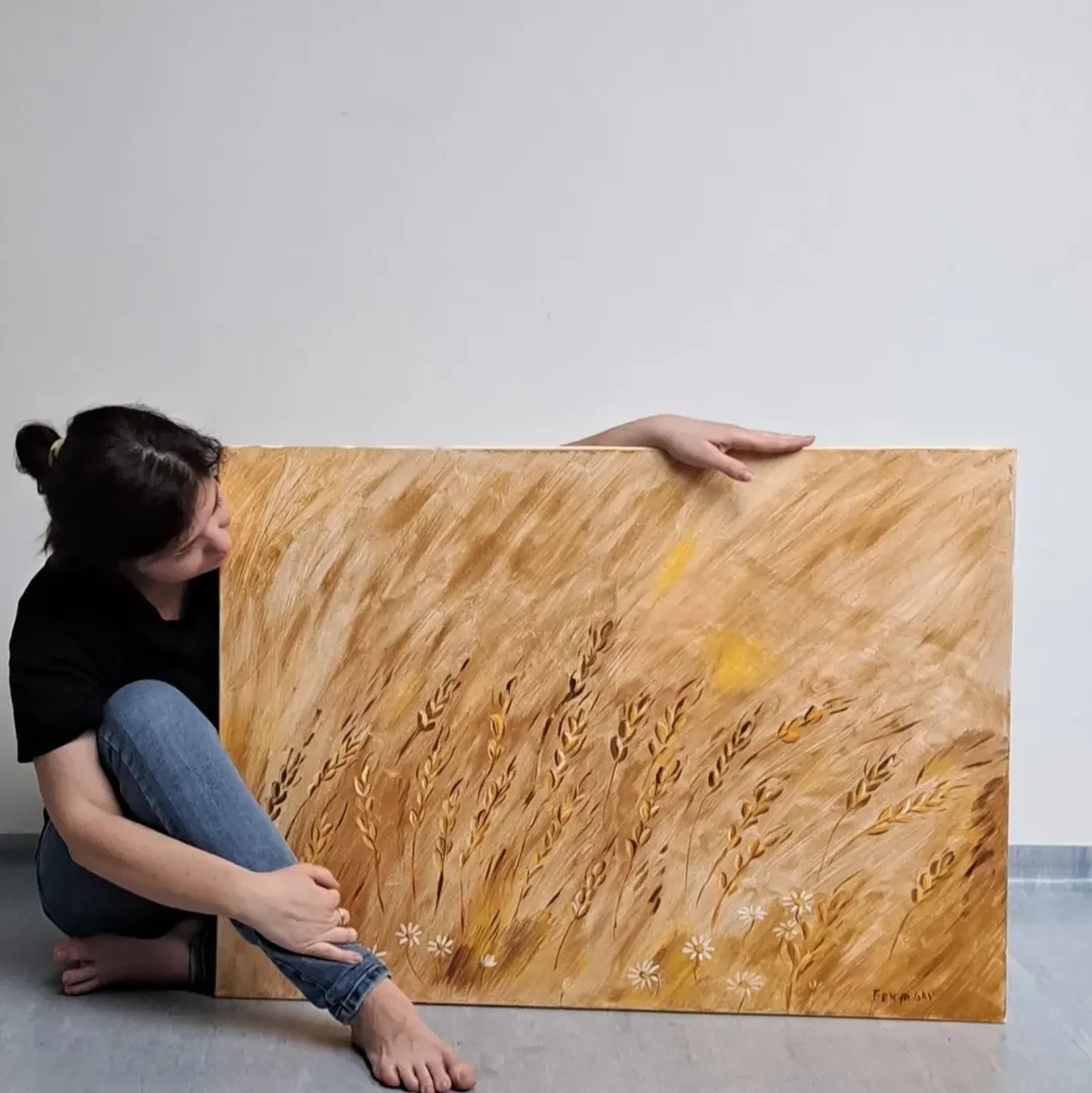
Khrystyna is open to new exhibition projects, residency collaborations, and cultural partnerships — particularly those that create space for Ukrainian artists and communities in European contexts. Her work bridges institutional and grassroots culture, and she moves between both with equal fluency and equal commitment.