Marharyta Puhachenko was forced to leave Sevastopol after the referendum because of her pro-Ukrainian position. Since then her path has run through Lviv, Poland and Canada, through a PhD in art history, curating, storytelling and performance — and has now brought her to Bolekhiv, a small town in Ukraine where she is building a laboratory for keeping memory alive.
Marharyta Puhachenko is a Crimean internally displaced person, a PhD in art history, a storyteller, performer, artist and curator of cultural projects in Ukraine, Poland and Canada. Born into a family of first-year students in Sevastopol, she lived and worked there almost without leaving — until her pro-Ukrainian position forced her to leave after the referendum. Since 2018 she has been active in the ART-cluster association in Lviv; since 2022 she has focused on promoting Ukrainian art in Poland, and in 2023–2024 in Canada.
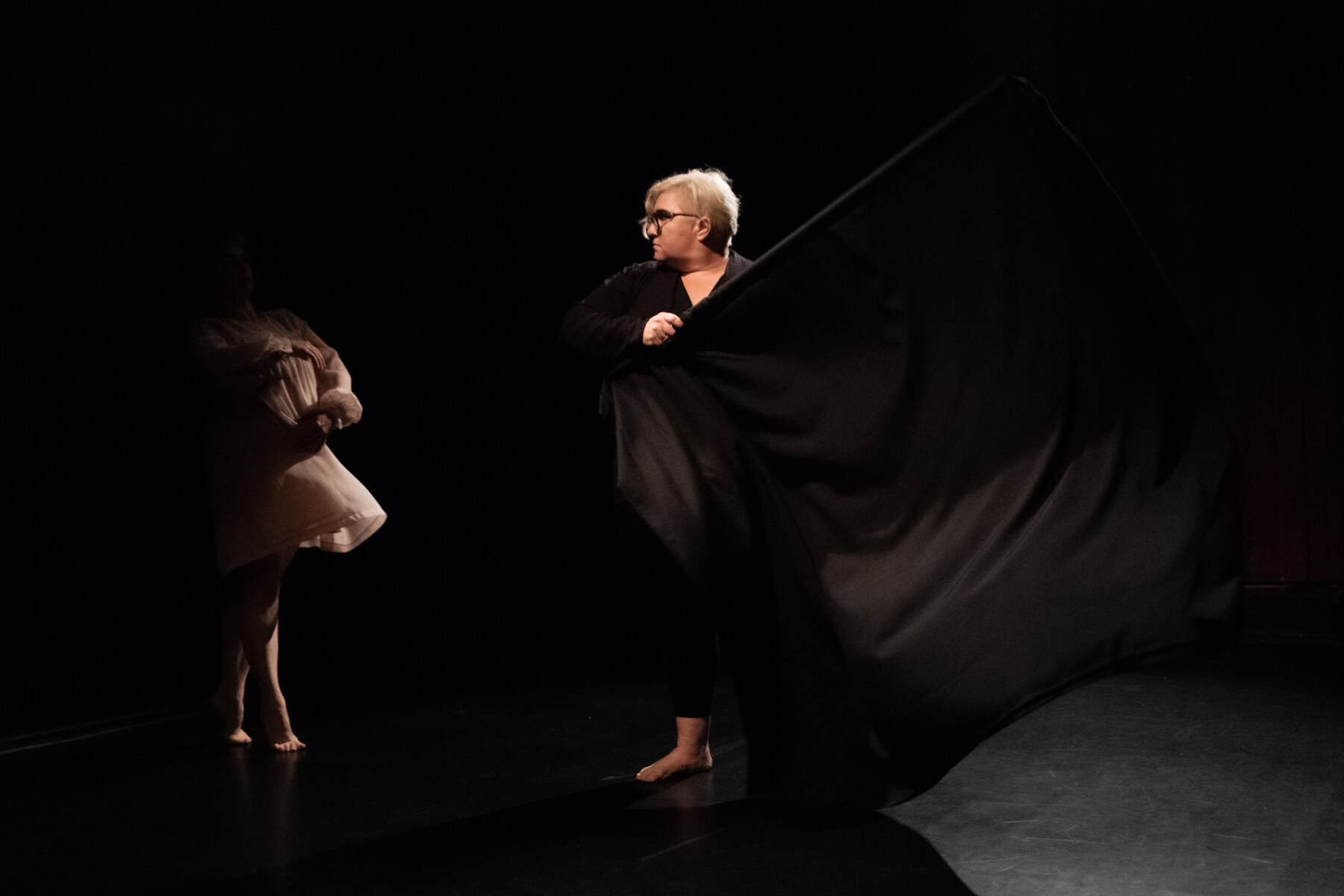
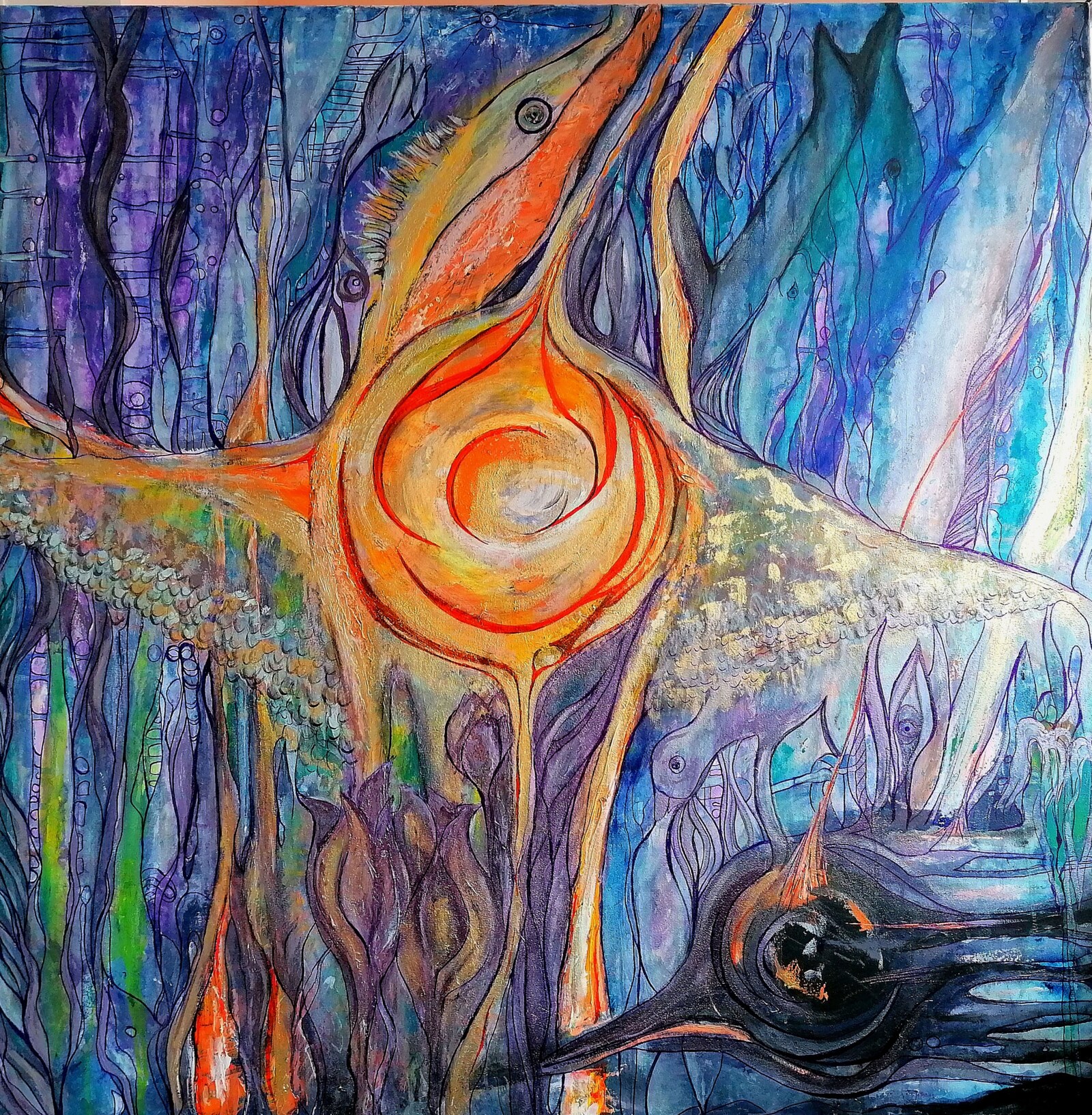
As an artist, she has taken part in more than 50 exhibitions; as a curator, in more than 20 projects, half of them realized abroad — among them the Week of Ukrainian Art in Poznań (2022–2026) and Days of Ukrainian Culture in Guelph, Canada (2023). As a storyteller, she has published seven fairy tales in collections in Poland and Ukraine, and this year the publishing house Spolom printed her own book, New Crimean Tales. One of her tales, about flying elephants, was adapted into two stage productions in Poland. As a researcher, she has studied the genesis of glass jewelry in Ukrainian culture, presenting this work in Poland and Canada as part of an argument for Ukrainian art's place as an inseparable part of European culture. As a performer, she has staged seven performances. She also has an interest in art recycling, and intends to open a socio-performative laboratory in Bolekhiv. She is the mother of two daughters and the wife of a veteran.
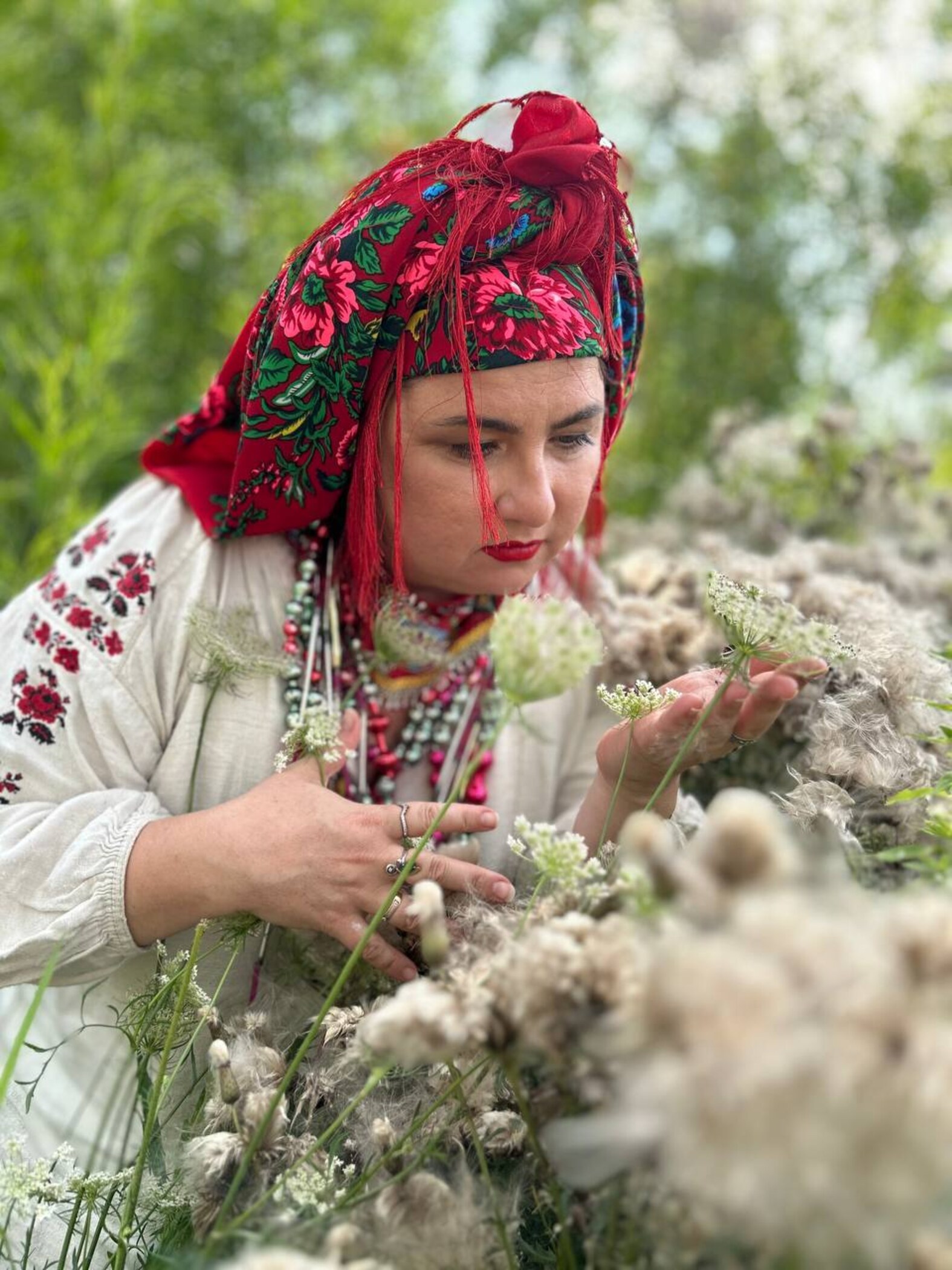
What is art to her now? Not a search for a lost home anymore, she says, but rather a search for a path back to herself and her identity — a struggle with guilt, and the beginning of a search for something new, her own, and true. Her path has run through learning language, through performance, through doctoral study, through curating her own and other people's projects, through emigration to Poland and Canada, through research into glass jewelry and its purpose, and through experiments in folk art, staging group performances, writing and publishing fairy tales, organizing large-scale projects, and working with photographs, collages and the collections of foreign museums — arriving, eventually, at her own way of combining contemporary work with heritage, memory, performance, and the stories of displaced people and refugees into a new cultural product.
"Art can no longer exist merely as an aesthetic object — nor museums as crypts of dead history."
She has come to believe that human memory and cultural heritage need to become living history — one that genuinely teaches future generations through immersion in it. Immersing herself in the history of Canada's Indigenous peoples while living and studying there struck her deeply with the consequences of the destruction of their culture. Because of that, she set aside her work toward opening a Ukrainian cultural center in Poznań and decided that her place, and the place to apply everything she'd learned, was in Ukraine.
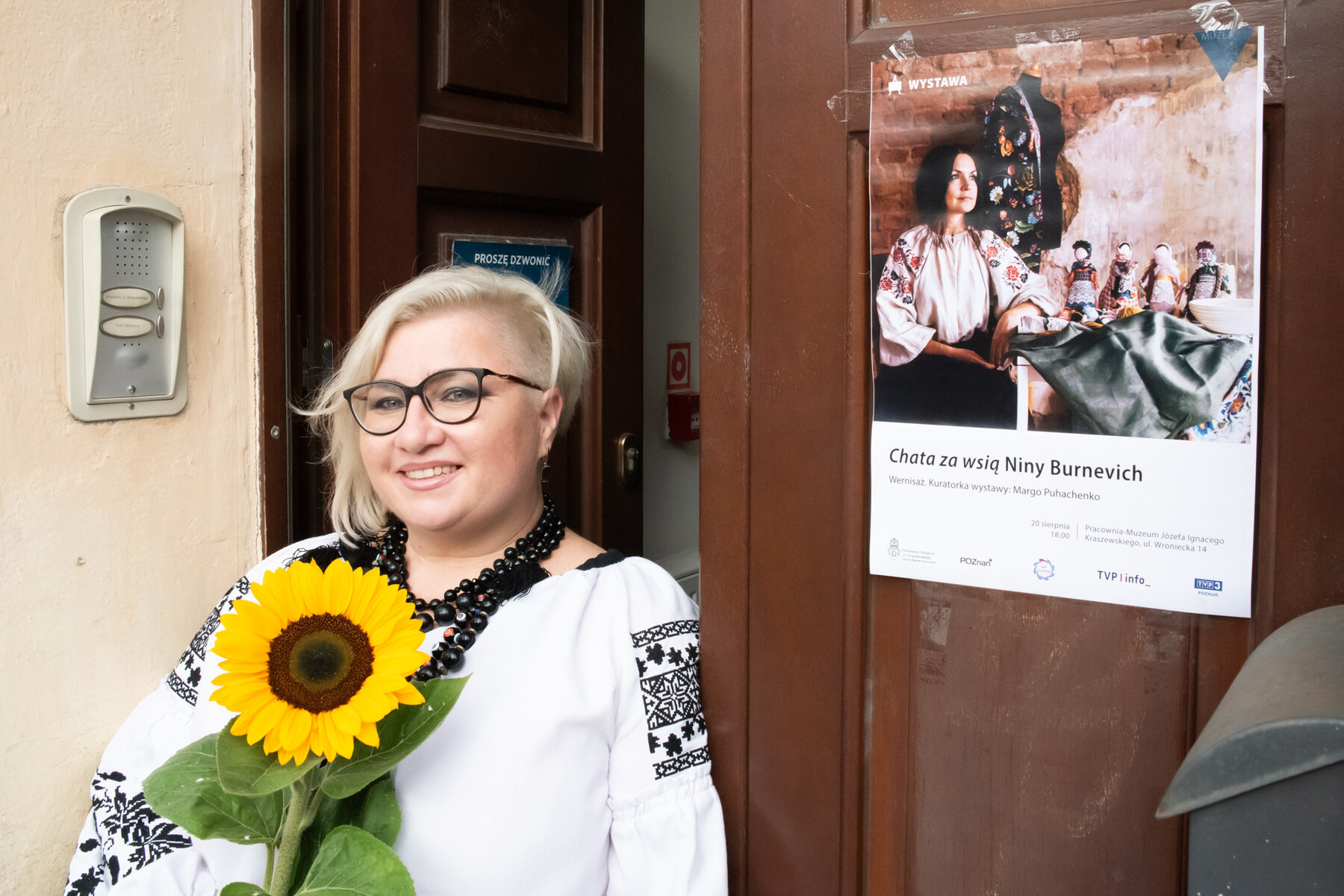
She didn't choose Bolekhiv as her new home by accident. It was home to the writer, civic activist and co-founder of the Ukrainian women's movement Natalia Kobrynska — whose example, of a single person changing a community's cultural landscape, inspired her. A hundred years ago, different cultures lived side by side in that one town, and that's part of why she settled there and now helps build its cultural infrastructure. She began with the L. Khomchak Book Tолока, and with support from T. Pylypets, seventeen authors came to Bolekhiv in November to present their work. In May, together with the community, she helped organize "Kobrynska-fest," which turned Bolekhiv for two days into a cultural bridge for scholars, poets, writers, artists and visitors — a genuine cultural residency.
Now, with the support of various cultural institutions, she is opening a socio-performative laboratory in Bolekhiv, which she believes will grow into a real theatre over time. For many people, she says, performance is a show that lasts minutes or hours and ends when the piece is over — not for her. Performative experiments have become, in her practice, a tool for documenting human stories and intangible heritage, where the stage matters less than the person and their experience, and where the outcome is the shared process of living through something and reflecting on it together. The laboratory will be an open platform devoted to working with memory and cultural heritage, combining artistic research, performance, contemporary art practices, and work with local histories, crafts, archives and the personal memories of community members and displaced people. Building exhibitions isn't the goal — the goal is helping people become co-creators of a living cultural memory themselves.
One strand of the lab's work will be researching the cultural heritage of Bolekhiv itself — a town that for centuries has been a meeting point of different cultures, traditions and crafts — with particular attention to preserving local memory through contemporary artistic practice, performance and interdisciplinary research. She sees the project as a natural continuation of her academic work: as a PhD in art history, she has spent years researching decorative art, cultural heritage and artistic practice, but here the central idea is joining academic knowledge with living interaction with the community, so that research moves beyond archives and museums. In her view, this is what can help museums become more alive, and society more included in culture — a co-author of art history rather than a spectator of it. At a time when local histories increasingly risk being forgotten, she believes this model offers a different role for the artist and researcher: helping a community find its own voice, and keep it, through work with human memory.
More on Marharyta Puhachenko's work can be found on Facebook and Instagram @margopuhachenko.